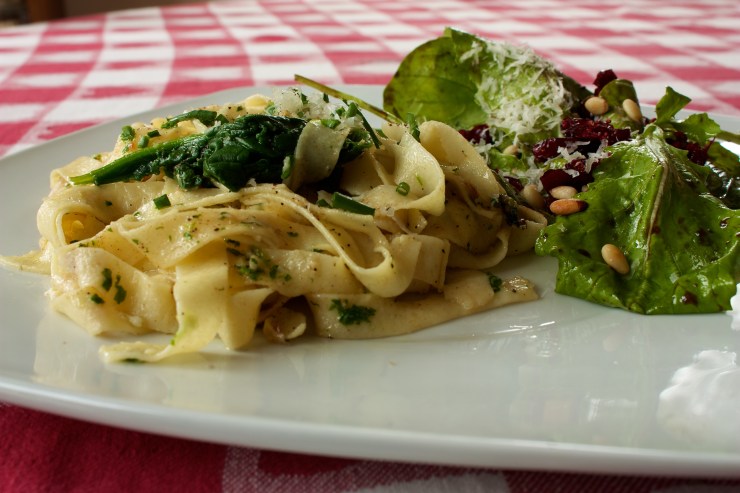
 Italian food is my idea of comfort food and nothing says Italian more than a plate of pasta. I enjoy fresh pasta with a rich meaty tomato sauce. Soft toothsome noodles coated with a rich tomato sauce with a little bits of tender ground beef. All of this topped with fresh grated Parmesan cheese and fresh basil is a treat worthy of a fine restaurant but is simple enough to prepare at home.
In the spring time pasta can be combined with a little ricotta cheese, some wilted spinach, browned butter, balsamic and toasted pine nuts. We can make our favorite stuffed ravioli or use it to make the perfect lasagna. Fresh pasta will enhance your Italian recipes and it is quick and easy to make.
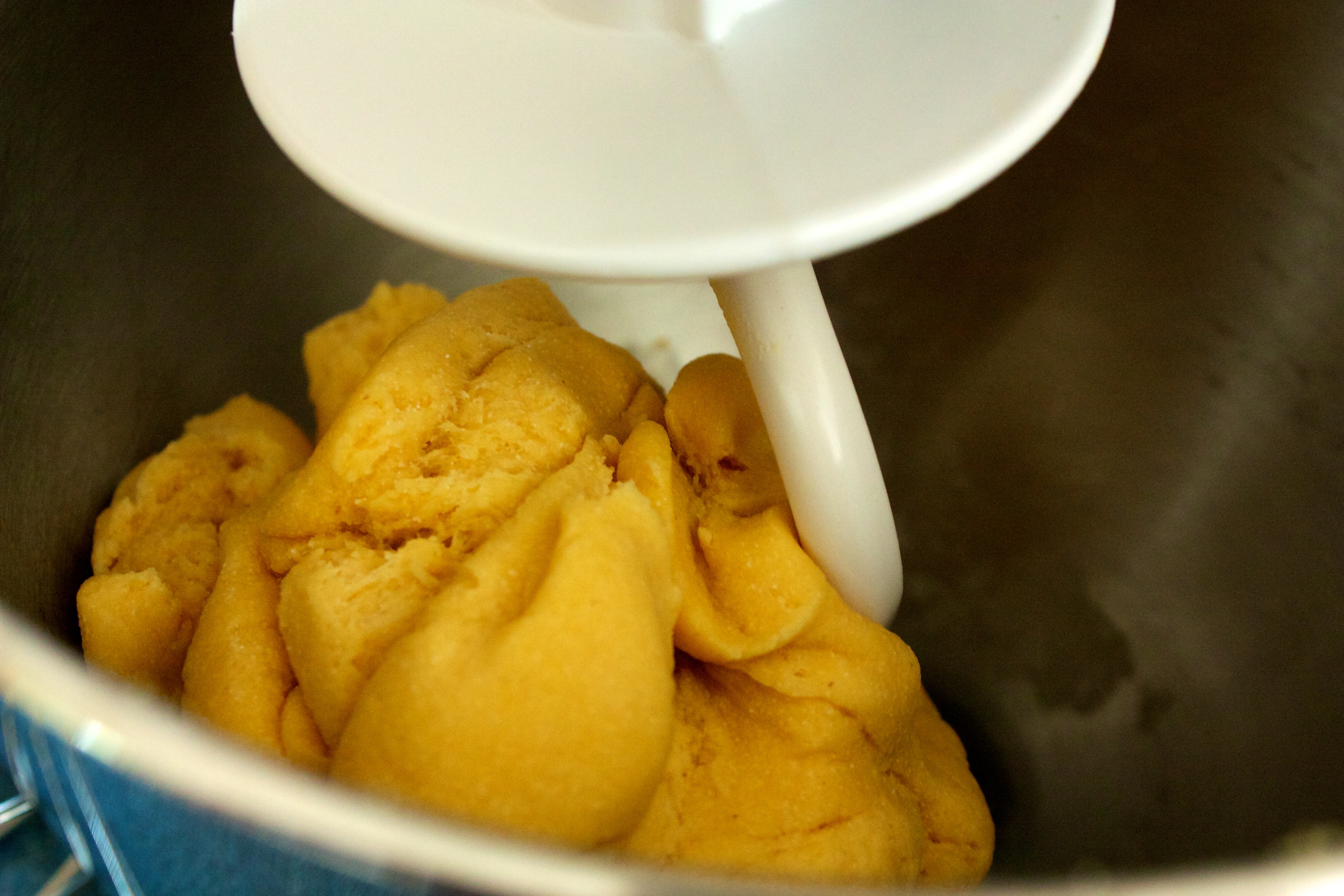 To make fresh pasta I am going to rely on my favorite kitchen toy, the ever helpful Kitchen Aid Mixer. This takes all of the kneading and most of the floury mess out of making pasta. It is quick and easy, and there is no comparing proper fresh made pasta to that which you can get in the store.
Flour is very important. You want to use 00 Semolina flour. This course grain flour is is perfect for making a toothsome tender noodle. Using all purpose or whole wheat flour will still give you a noodle but the texture is just not the same. The other thing you want to avoid is using a lot of water in your pasta. Too much water will build excessive gluten and make your noodles tough. You also do not need to add salt into your pasta, as you will see you will boil the pasta in salted water, that will give you all the salt you need.
Here is a simple pasta recipe that you can use as the base for all of your italian favourites.
Ingredients
300 g Semolina flour (about 2 cups)
3 Eggs and 1 Egg yolk at room temperature
1 tbsp olive oil
Room temperature water if needed (1 tbsp or less usually)
Making the dough
 In the bowl of your KitchenAid mixer pour in the flour and make a well in the middle. In a small bowl beat your eggs and oil together. Add into the well. Attach your dough hook and begin to mix on low. The flour will begin to get mixed into the liquid, after a few minutes scrape down the sides and continue. Once all the liquid has been incorporated lift the hook and bring the dough together with your hands. Put the dough hook in the middle of the ball and again mix on low. The ball should break up then reform after a minute or so, if not add in a little water, I usually don’t need any. Allow this to kneed for about 2 minutes.
Remove the dough and wrap in plastic wrap and allow to rest at room temperature for about an hour. This is particularly important, the semolina needs the time to hydrate or your dough will fall apart when working it and the gluten you have formed needs to relax or the dough will be springy when your working it.
If you don’t have a mixer, this is still easy to do. Just put down a pastry sheet and pour the flour in a mound and make a well in the middle. Add the egg and oil mixture into the middle. Stir the liquid scraping a little flour in each time. Slowly incorporate the until it is a thick paste. Then put a little flour on your hands and using your hands fold in the rest of the flour into the paste. Form a dough ball and kneed on a floured surface for about 3 minutes. This will be a firm dough but if it breaks up add a little water. When done you will wrap and rest as above.
Cutting the Pasta
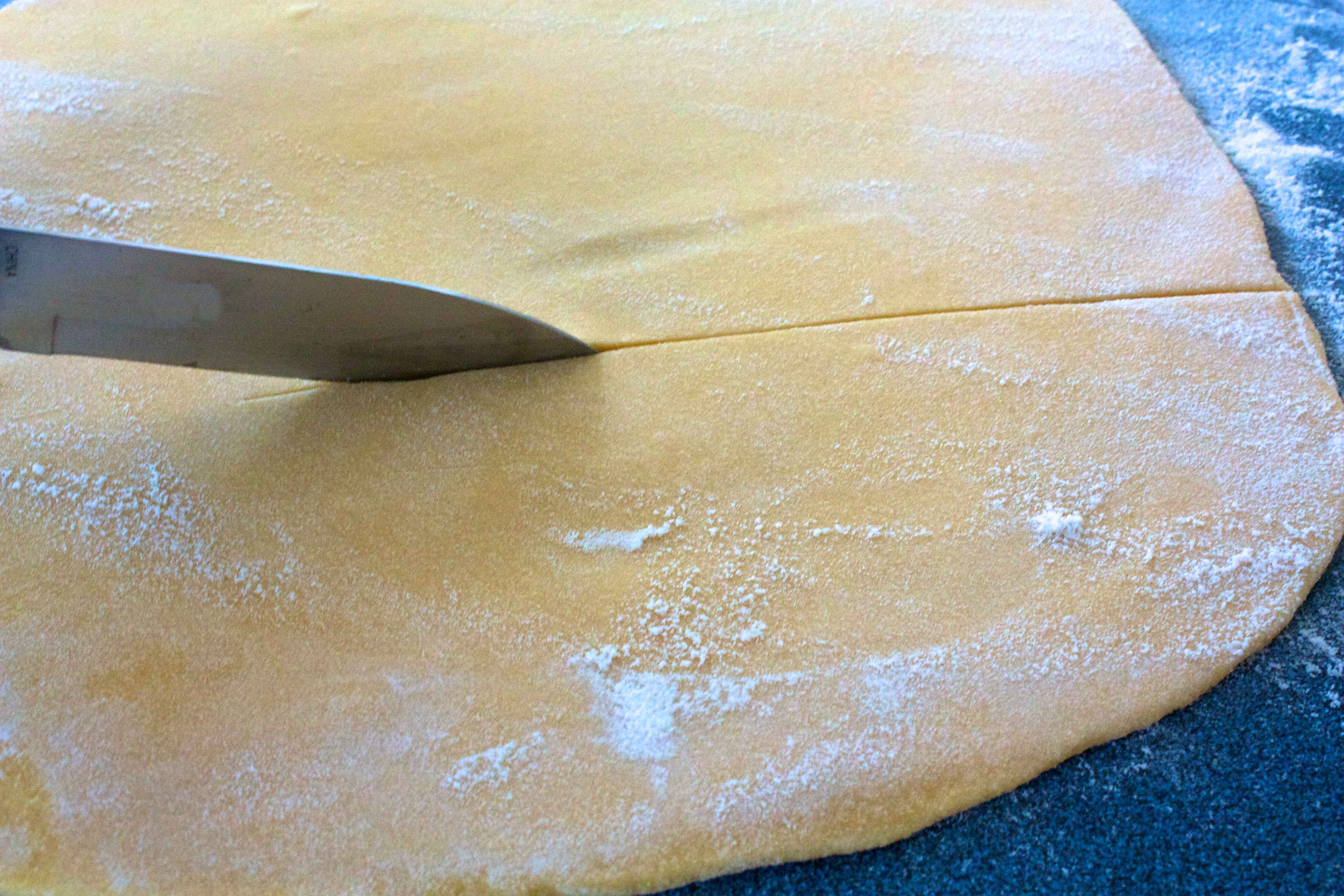
 If you are going to make pasta it is best to have a pasta machine but it is not required. A pasta machine will allow you to get a nice thin noodle with a consistent thickness. If you are good with a rolling pin, flour your counter, and roll the noodle to about 1/8 of an inch thick. Flour the top of the dough lightly then roll it up like you would a jelly roll. Using a very sharp knife slice off the pasta into the widths you desire. You can also use the pasta as lasagna sheets or as the top and bottom or raviolis. I will be posting lasagna and stuffed pasta recipes in the near future.
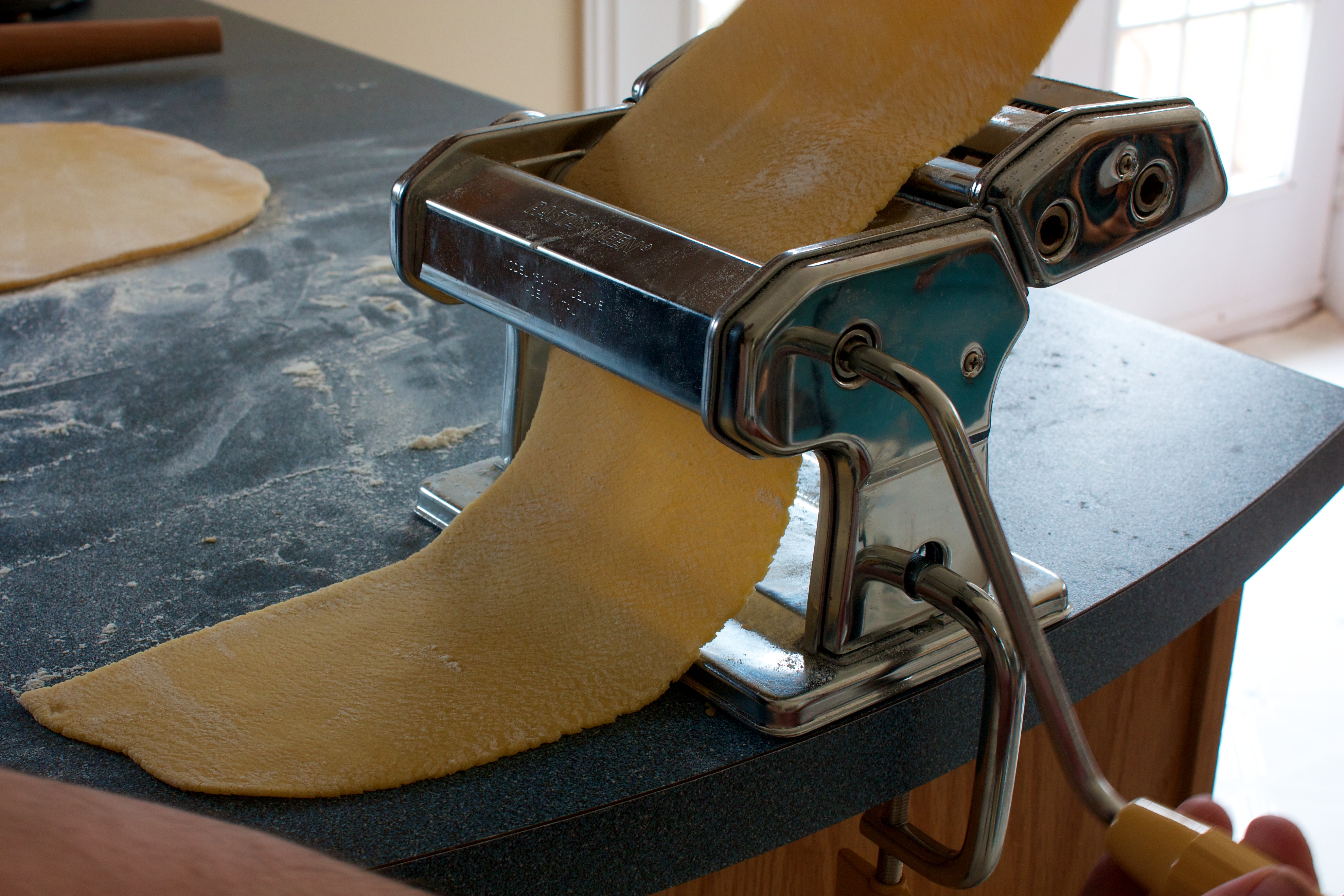
If you are using a pasta machine then roll the dough out until it is about 1/4 inch thick, then set the rollers on the machine to the wides thickness. Pass the pasta though the machine, reducing the thickness each pass until you reach the desired thickness. You can then use the cutters to cut to the desired noodles or use it for lasagna or ravioli.
Boiling the Pasta
 Heat up a large stock pot with water, add in about 1/4 cup of salt and a tbsp of olive oil and bring to a rolling oil. The salt is important because it flavors the pasta, we did not add any into the recipe, the oil will coat the pasta when it is drained and adds flavor. You want a rolling boil so the pasta does not stick together.
Place the pasta into the boiling water and boil for about 2 minutes. To test take out a noodle and taste, it should be cooked through but still firm to the tooth. You do not want mushy pasta. Drain the pasta and DO NOT rinse it. That starch is great to thicken your sauce and will help the sauce cling to your noodles.
Saucing the pasta
Finishing the pasta properly is very important. At this point your pasta is like a sponge, all ready to absorb the the amazing flavors of your sauce. What you want to do is heat up about a half a cup of sauce in a pot, once is is nice and hot throw the pasta back in pot over medium heat and stir until the sauce is absorbed. This only takes a minute or so. Then plate your pasta and top with a little more sauce. This will give you a very flavorful pasta and you will find you will need less sauce.
I will put up a couple pasta sauce recipes to go with this soon.
 Tim's Kitchen Table
[…] sauce is amazing in lasagna, on homemade pasta or in this case on a sloppy joe. Make lots and freeze it for a quick family meal during the […]